
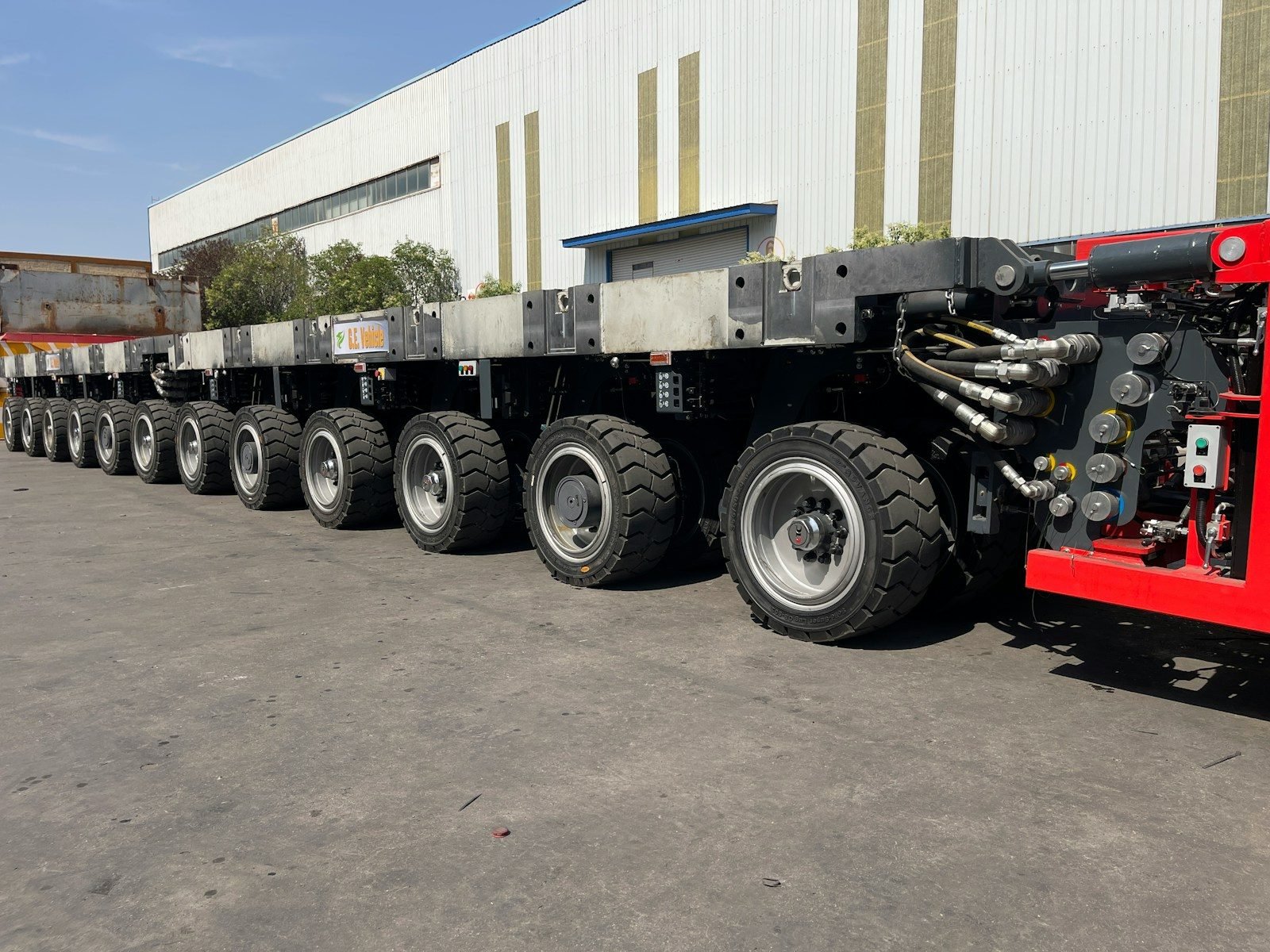
Moving Out-of-Gauge (OOG) cargo and heavy-lift machinery into Iraq and the Kurdistan Region requires more than standard land freight logistics—it demands advanced engineering, multi-ministry clearances, and hyper-local route planning. From infrastructural bottlenecks like low-clearance bridges to extreme mountain gradients in the north, successful project cargo execution relies on navigating Iraq’s unique regulatory and geographical landscape.
Here is an in-depth breakdown of the mandatory permits, route challenges, and operational best practices for executing heavy haulage in Iraq.
1. Navigating Iraq’s Multi-Ministry Permit Process
Transporting oversized or super-heavy loads over Iraqi public infrastructure requires clearances across several government authorities. Unlike standard containerized freight, OOG cargo relies on specialized road-use authorizations:
Essential Approvals & Clearances:
- Ministry of Interior (MOI) & Traffic Police Escorts: All OOG shipments moving on public highways legally require official traffic police escorts governed by the Ministry of Interior. These escorts manage traffic flow, secure temporary road closures, and enforce designated travel windows (typically night movements in congested areas).
- Ministry of Electricity (MOE) Cable Clearances: When cargo heights exceed overhead power line thresholds, formal permits and field technicians from the Ministry of Electricity are required. Moving ultra-high loads often necessitates scheduled power shutdowns or physical lifting/cutting of power lines along the transit route.
- Special Road-Use & Bypass Permits: If an oversized load cannot fit existing road layouts, transport operators must secure permits to use temporary bypass routes, unpaved diversions, or counter-flow highway channels.
2. Infrastructure & Route Challenges in Federal Iraq
- Transporting heavy machinery across Federal Iraq presents distinct physical hurdles that require upfront route reconnaissance and civil engineering preparation.
Critical Engineering Bottlenecks:
- Sub-Standard Bridge Heights: Many existing bridges across Iraq were constructed below the official national bridge clearance codes. This height deficit forces transporters to map out extensive route reconnections or construct temporary earth-fill bypasses around overpasses.
- Bridge Weight & Structural Capacities: Older river bridges across the Tigris and Euphrates tributaries cannot accommodate extreme gross vehicle weights (GVW). Heavy loads must frequently take circuitous, significantly longer routes to reach reinforced or modern bridge crossings capable of handling heavy axle loads.
- Ground Clearance & Low-Bed Risk: Iraq’s highway network is notorious for deep potholes, severe speed bumps, and uneven road surfaces. Standard low-bed trailers carrying high-value or sensitive project cargo risk ground contact, chassis scraping, or tipping accidents. In many instances, civil road repairs and leveling must be completed ahead of the cargo convoy.
3. Geographical Logistics: The Kurdistan Region Environment
While Federal Iraq is defined by bridge height and surface quality issues, transporting project cargo into the Kurdistan Region introduces topographical challenges.
- Mountainous Terrain & Gradient Strain: Moving super-heavy loads through the northern mountain passes places extreme thermodynamic strain on heavy-duty truck engines, transmissions, and braking systems. Route planning in the KRG must account for altitude, steep incline percentages, and sharp turn radii.
- Engine Horsepower & Axle Configurations: Transporting high-tonnage equipment in Kurdistan requires high-horsepower prime movers (often double- or triple-headed truck configurations) and multi-axle hydraulic platform trailers (SPMTs) to maintain momentum and safety on steep gradients.
4. Best Practices for Executing Project Cargo in Iraq
To prevent costly delays, port demurrage, or equipment damage during project transport:
- Conduct Dynamic Route Surveys: Perform physical route surveys within weeks of transport to identify newly installed overhead lines, fresh road damage, or new speed humps.
- Pre-Repair High-Risk Road Sections: For ultra-sensitive, high-value industrial shipments (e.g., oil & gas turbines or transformers), invest in pre-transport road repairs and route leveling to protect trailer chassis ground clearance.
- Coordinate Inter-Agency Clearances Simultaneously: Ensure Ministry of Interior, Ministry of Electricity, and local municipality permits are synchronized so escort teams and line-cutters operate in tandem with the convoy.
Frequently Asked Questions
Do I need a government permit to move OOG cargo in Iraq?
Yes. Any oversized or super-heavy load on public roads requires Ministry of Interior traffic escort clearance, and Ministry of Electricity clearance if the load height exceeds overhead power line limits.
Can standard low-bed trailers handle Iraq’s roads?
Not reliably. Iraq’s highways have deep potholes, speed bumps, and uneven surfaces that put standard low-beds at risk of chassis scraping or tipping — high-value cargo often needs road repairs done ahead of the convoy.
Is transporting heavy machinery into the Kurdistan Region different from Federal Iraq?
Yes. Federal Iraq’s challenges are mainly bridge height/weight limits and road surface quality. The Kurdistan Region adds mountain gradients and sharp turns, which require high-horsepower prime movers and multi-axle SPMT trailers.
How far in advance should route surveys be done?
Within a few weeks of transport — overhead lines, road damage, and speed humps change quickly, so surveys done too early can miss new obstacles.
Do bridges ever need to be bypassed entirely?
Yes. Many bridges are below current clearance codes or can’t take the gross vehicle weight, forcing longer routes to reinforced or modern crossings
Partner with Iconic for Project Cargo Execution in Iraq
Navigating the logistical complexities of project cargo and OOG transport into Iraq and the Kurdistan Region demands proven on-the-ground capability, specialized heavy-lift fleet access, and direct regulatory agency coordination.
At Iconic, we provide end-to-end heavy haulage services—from route engineering and civil repairs to multi-ministry permit acquisition and police escorts across Iraq.